
Why Is My Makeup Separating? Causes and How to Fix It
You finish your makeup, look in the mirror, and everything seems perfect. But a few hours later, your foundation starts looking strange. Maybe it has broken apart around your nose, become patchy on your cheeks, or seems to be sliding away from your skin. If this sounds familiar, you're probably dealing with makeup separation.
Makeup separation is one of those frustrating problems that can make an otherwise beautiful makeup look feel unfinished. But it doesn't necessarily mean you've chosen the wrong foundation. Your skincare routine, skin type, application technique, and even the weather can all affect how your makeup wears throughout the day.
Once you understand why makeup separates, it's much easier to prevent it and keep your complexion looking fresh for longer.
What Does Makeup Separation Actually Look Like?
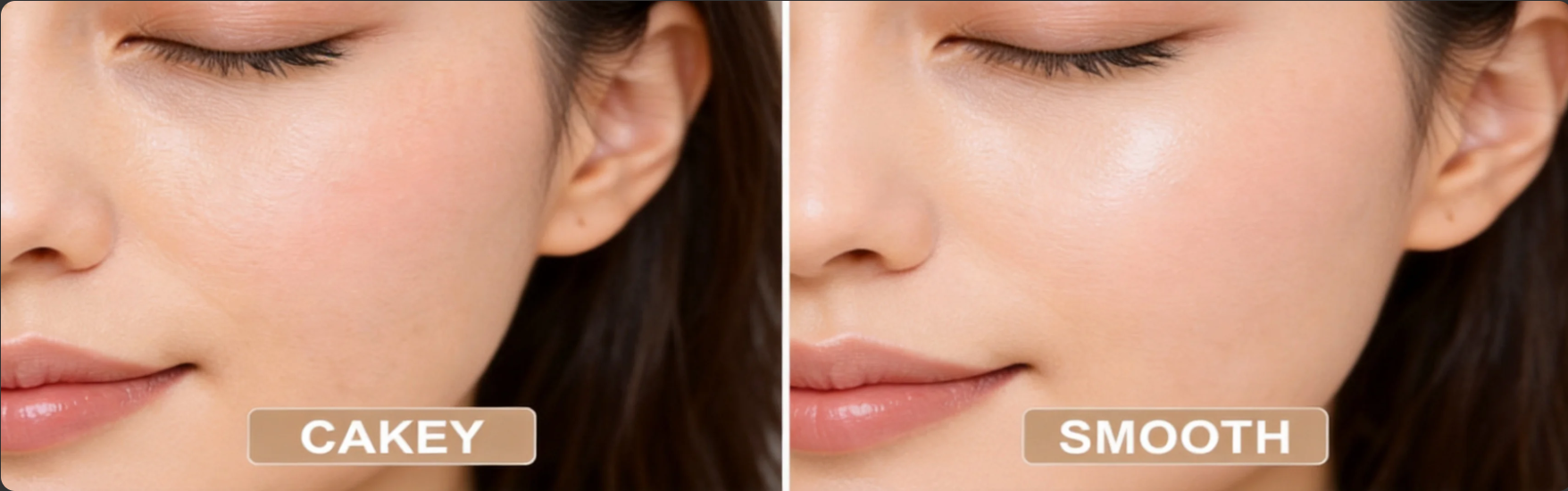
Makeup separation happens when your foundation or other complexion products stop sitting evenly on the skin. Instead of creating a smooth layer, the makeup may appear patchy, streaky, oily, or uneven.
You might notice foundation gathering around your nose, breaking apart on the forehead, or disappearing from areas that produce more oil. In some cases, the makeup can also look as though it is sitting on top of the skin rather than blending into it.
The first step to fixing the problem is figuring out what's causing it.
Your Skin May Be Too Oily
Excess oil is one of the most common reasons makeup separates.
Throughout the day, natural sebum can break down foundation, particularly around the forehead, nose, and chin. As the oil mixes with your base makeup, the product can become slippery and begin to move.
If you have oily or combination skin, start with a lightweight skincare routine and avoid applying unnecessarily rich products underneath your makeup.
A primer designed to create a smoother, more balanced base can also help. The goal isn't to completely eliminate your skin's natural oils, but to create a surface where makeup can stay in place more comfortably.
Your Skin May Be Dehydrated
Interestingly, makeup separation isn't only an oily-skin problem. Dehydrated skin can also cause foundation to wear unevenly.
When the skin lacks moisture, foundation may cling to dry areas while separating around others. This can create a combination of flaky and oily-looking patches.
If your complexion feels tight after cleansing or your makeup consistently catches on dry areas, focus on hydration before changing your foundation.
Use a suitable moisturizer and give your skincare enough time to absorb before moving on to makeup. Well-hydrated skin creates a smoother surface and helps prevent foundation from emphasizing uneven texture.
You May Be Using Too Many Skincare Products
More skincare doesn't always mean better makeup.
Layering several serums, oils, creams, and other products immediately before applying foundation can leave the skin too slippery. Some formulas may also interact with one another, causing pilling or separation.
Try simplifying your pre-makeup routine. Apply the products your skin actually needs, allow them to absorb, and then move on to primer and makeup.
If your foundation suddenly starts separating after adding a new skincare product, consider testing your routine without it to see whether there's a connection.
Your Primer and Foundation May Not Work Well Together
Product compatibility can make a significant difference.
Different makeup products contain different types of ingredients and textures. Sometimes a primer and foundation simply don't layer well together, causing the base to slide, pill, or separate.
This doesn't necessarily mean either product is bad. They may simply work better with different formulas.
When trying a new combination, apply a small amount of each product and observe how they behave together. If the texture remains smooth after several minutes, you've likely found a better match.
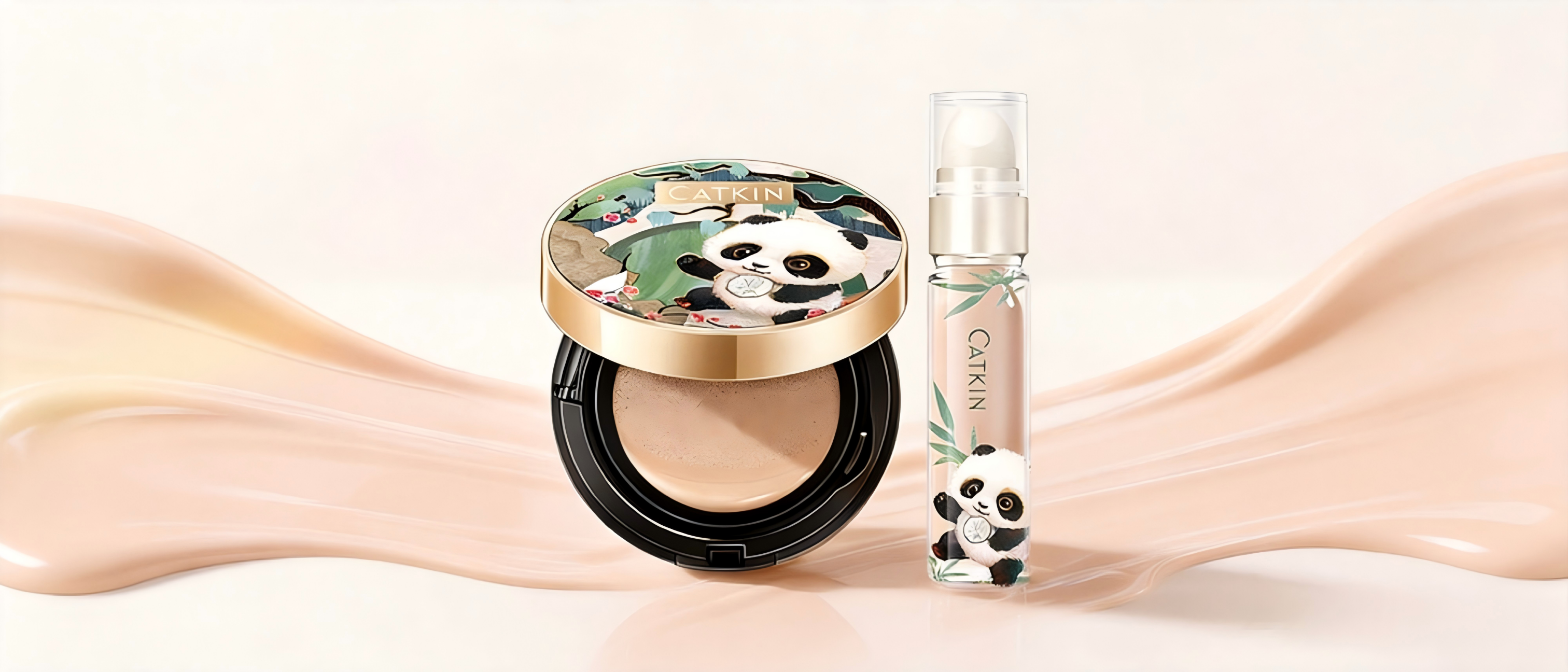
The CATKIN Skin Perfect Tinted Primer Base can be used as part of a streamlined base routine, helping prepare the complexion before applying foundation or cushion makeup. Using a thin layer is usually enough to create a smoother surface without overwhelming the skin.
You're Applying Too Much Foundation
Heavy layers can make separation more obvious.
When you apply a large amount of foundation, there is simply more product available to move around as your skin produces oil or experiences friction throughout the day.
Instead, start with a thin layer and build coverage only where you need it. This creates a more natural finish and allows the makeup to move with your skin rather than sitting heavily on top of it.
For everyday makeup, you may not need full coverage everywhere. Concentrating product around areas with redness or uneven tone often produces a much fresher result.
Your Application Technique Could Be the Problem
How you apply your makeup matters just as much as what you're applying.
Dragging foundation aggressively across the skin can disturb the skincare and primer underneath. It can also create uneven coverage.
Instead, use gentle pressing, tapping, or blending motions. A damp makeup sponge is particularly useful for creating a seamless finish, while a foundation brush can provide more controlled coverage.
For cushion makeup, patting is especially important. Press the puff gently into the skin rather than rubbing it across the face.
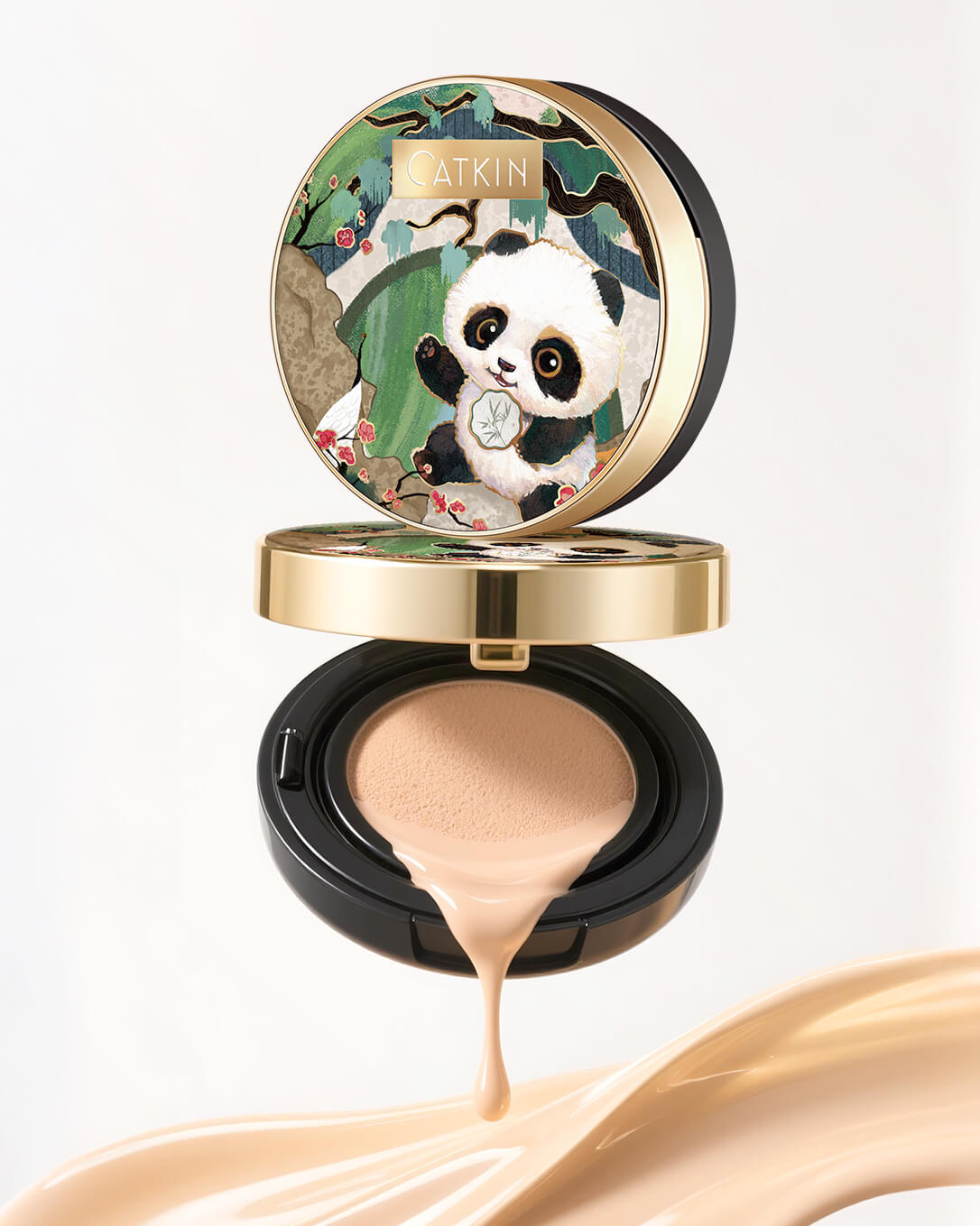
The CATKIN Summer Palace Moisture Cover BB Cream Cushion Foundation is convenient for this type of application. Its cushion format makes it easy to apply lightweight layers and gradually build coverage without creating a heavy base.
Humidity and Heat Can Change Everything
Sometimes your makeup routine is perfectly fine, but the environment isn't cooperating.
Hot and humid weather can increase sweating and oil production, causing foundation to break down faster. Cold weather, on the other hand, can leave skin dry and flaky, making makeup more difficult to apply evenly.
Adjust your routine according to the season. In hot weather, lightweight layers and strategic setting powder can help. During colder months, prioritize hydration and avoid excessive powder.
Your makeup doesn't exist in isolation—it has to work with your skin and your surroundings.
Don't Keep Adding More Makeup
When foundation starts separating, the instinct is often to add another layer.
Unfortunately, this can make the problem worse.
Instead, gently blot excess oil with tissue or blotting paper. If an area has become dry or patchy, lightly smooth it before applying a very small amount of foundation or cushion.
Refreshing your makeup is about replacing what has worn away, not covering everything with another thick layer.
Give Your Makeup Time to Set
Another simple but often overlooked step is patience.
Allow skincare to absorb before applying primer. Give primer a moment to settle before applying foundation. Once your base is finished, allow it to set before touching your face or adding additional products.
Rushing through every step can cause products to mix together before they have a chance to form an even layer.
A few extra minutes can make your entire makeup routine feel more stable.
Creating a Base That Stays Beautiful
Makeup separation can seem mysterious, but it's usually the result of several small factors working together. Your skin's moisture and oil levels, the products you use, application technique, and even the weather can all influence how your makeup behaves.
Instead of searching for one magical product that will solve everything, think about your makeup routine as a whole.
Prepare your skin, choose compatible formulas, apply thin layers, and give each step enough time to settle. Once you find the right balance, your foundation can stay smoother and more comfortable throughout the day.
The goal isn't to create a completely immovable layer of makeup. Great base makeup should still look like skin—fresh, flexible, and natural, even after hours of wear.