
Why Does My Makeup Look Cakey? 7 Easy Ways to Fix It
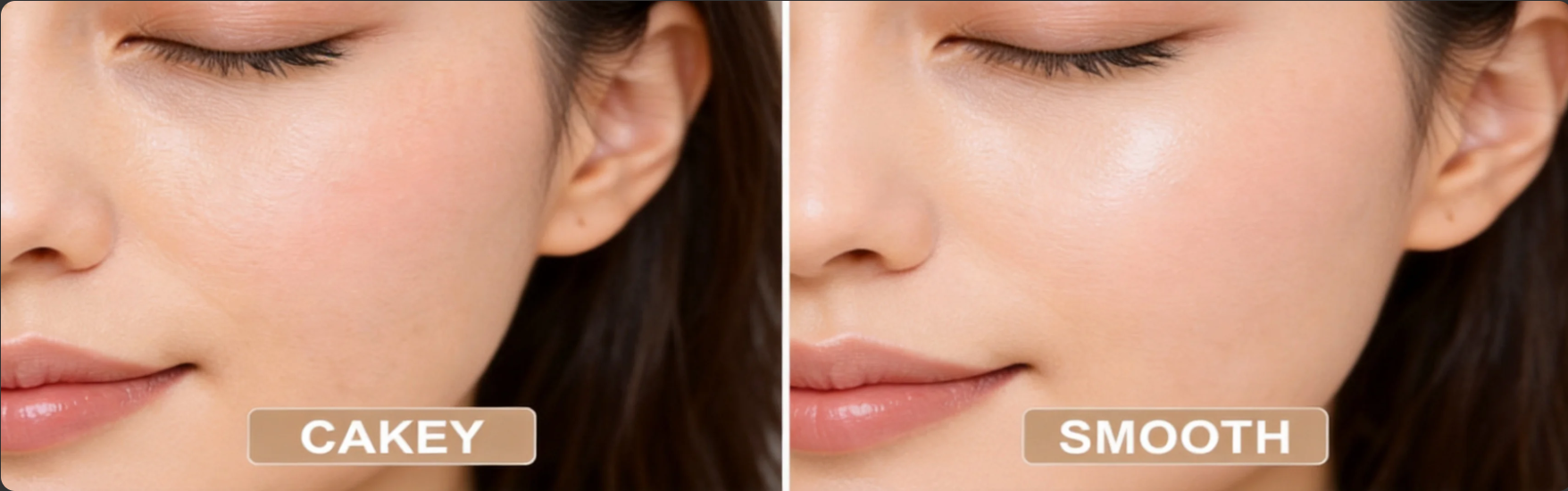
You spend time blending your foundation, concealer, and powder, expecting a smooth and natural-looking complexion. But when you finally look in the mirror, your makeup seems thick, dry, or uneven. Instead of looking like skin, it looks like makeup sitting on top of your skin.
If you've ever wondered, “Why does my makeup look cakey?”, you're definitely not alone. Cakey makeup is one of the most common base makeup problems, and it can happen regardless of whether you use a light or full-coverage foundation.
The good news is that you don't necessarily need to replace your entire makeup collection. In many cases, a few small changes to your routine can make your base look lighter, smoother, and much more natural.
Here are seven easy ways to prevent and fix cakey makeup.
1. Start with Well-Hydrated Skin
One of the biggest reasons makeup looks cakey is that the skin underneath isn't properly hydrated.
When your skin is dry or dehydrated, foundation can cling to flaky areas and emphasize texture. Instead of blending seamlessly, the product settles into dry patches and fine lines, making your complexion appear heavier than it actually is.
Before applying makeup, give your skin enough moisture. A simple skincare routine with moisturizer can make a noticeable difference.
However, hydration doesn't mean applying several layers of skincare immediately before makeup. Too many products can leave the skin overly slippery and make your foundation move around.
The goal is balanced, comfortable skin—not a thick layer of skincare underneath your makeup.
2. Don't Apply Too Much Foundation
More coverage isn't always the answer.
One of the easiest ways to make makeup look cakey is applying too much foundation all over the face. If you only need extra coverage around your cheeks or areas of redness, there's no reason to apply a thick layer everywhere else.
Start with a small amount and blend it evenly across the skin. Then add another thin layer only where you need additional coverage.
This technique gives you more control over the final result and allows your natural skin to remain visible.
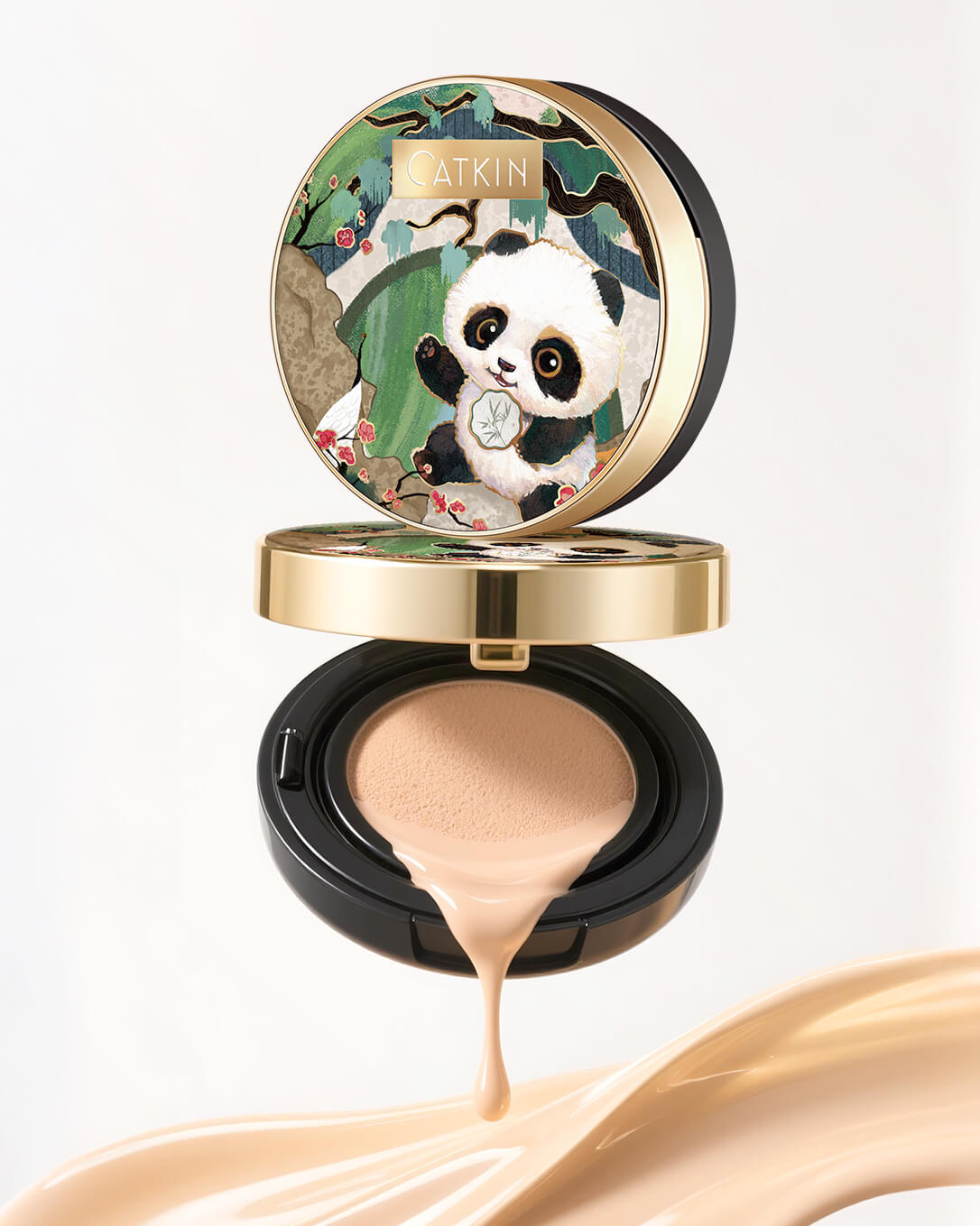
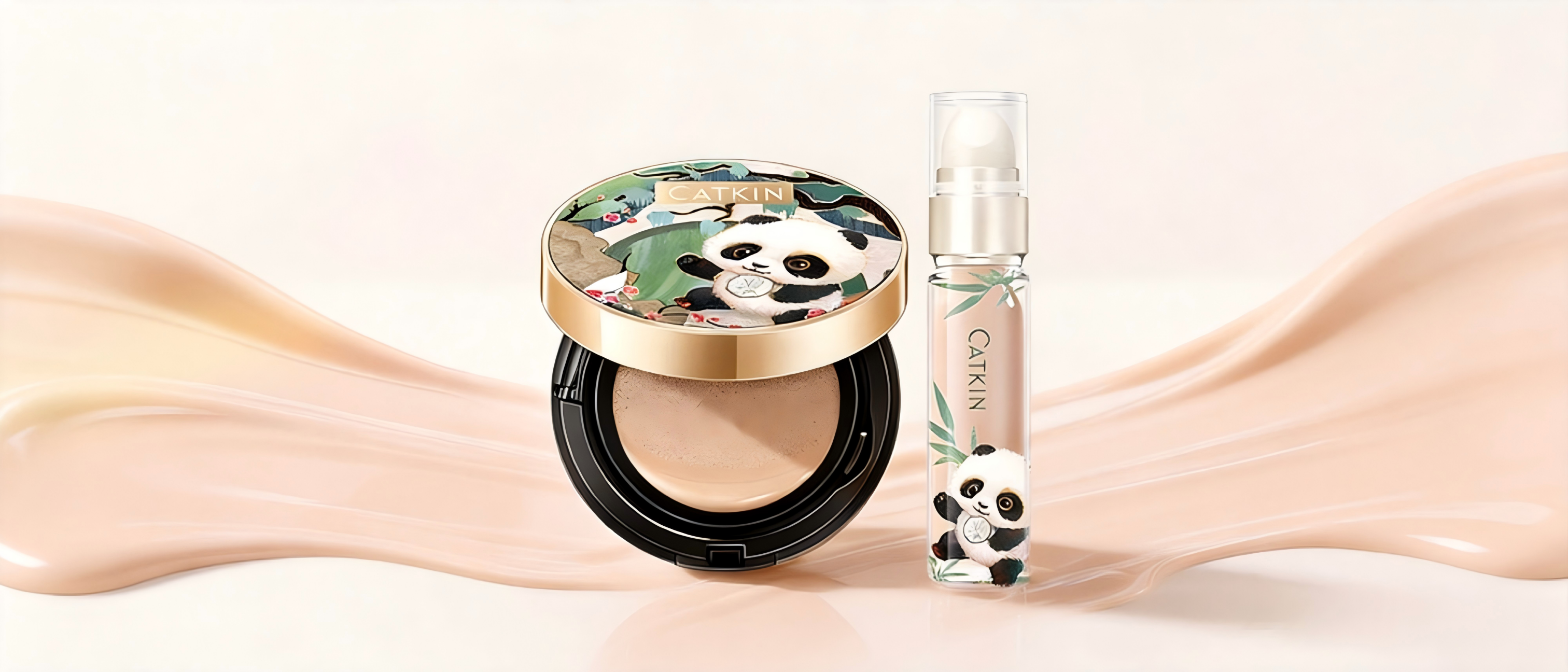
For everyday makeup, a lightweight cushion can also be a great alternative to applying heavy foundation. The CATKIN Summer Palace Moisture Cover BB Cream Cushion Foundation allows you to build coverage gradually, making it easier to achieve a fresh complexion without piling on product.
3. Choose a Primer That Matches Your Skin
Primer can make a significant difference in how your makeup looks and wears, but the right primer depends on your skin's needs.
If your skin is dry, a hydrating or smoothing primer can help create a more comfortable surface for foundation. If your skin becomes oily throughout the day, a lightweight balancing primer may help reduce excess shine.
The important thing is not to use primer simply because everyone else does. Think about what you want your base makeup to accomplish.
A tinted primer can also help even out the appearance of the complexion before foundation, allowing you to use less base product overall.
The CATKIN Skin Perfect Tinted Primer Base is designed to prepare the complexion while adding subtle tone correction. Applying a thin layer before your cushion or foundation can help create a more even starting point.
4. Blend in Thin, Even Layers
The way you apply your makeup matters just as much as the products themselves.
Instead of spreading a large amount of foundation across your face at once, work in small sections. Use gentle pressing and blending motions to distribute the product evenly.
A damp makeup sponge can help create a softer finish by pressing excess product into the skin. A foundation brush can also work well when used with light strokes.
For cushion foundation, avoid dragging the puff across your face. Press and pat the product into the skin instead. This allows you to control the amount of coverage while keeping the finish lightweight.
If you can still clearly see where your foundation begins and ends, there's probably too much product in that area.
5. Be Careful with Concealer
Concealer is excellent for adding targeted coverage, but using too much can quickly turn a natural base into a heavy one.
This is particularly true under the eyes. Applying a thick layer of concealer to completely hide dark circles may actually make the area look more textured.
Instead, use a small amount and focus it where you need it most. Blend the edges into your foundation so there isn't an obvious difference between the two products.
You don't need to completely erase every natural shadow or imperfection. A little skin showing through often makes the overall makeup look more realistic.
6. Don't Overdo the Setting Powder
Powder helps control shine and keeps makeup in place, but too much can make even beautifully hydrated skin appear dry and cakey.
Rather than applying a thick layer of powder across your entire face, concentrate it on areas that genuinely need it. The T-zone is often the first place to become shiny, while the cheeks may need little or no powder at all.
Use a small amount and gently press it into the skin. Avoid repeatedly brushing powder back and forth, especially over areas that already look dry.
If you prefer a natural or radiant makeup finish, strategic powder application can help you keep the glow while still preventing unwanted shine.
7. Know How to Fix Cakey Makeup During the Day
Even if your makeup looks perfect in the morning, it can become cakey after several hours. Oil, sweat, dry air, and constant touching can all change the appearance of your base.
When this happens, resist the temptation to immediately add more foundation and powder.
First, gently remove excess oil with tissue or blotting paper. If certain areas have become dry, lightly press a small amount of moisturizer or hydrating product onto the skin and allow it to settle.
Then use a tiny amount of foundation or cushion only where the coverage has disappeared.
The idea is to refresh your makeup, not rebuild the entire base.
Why Does Makeup Look Cakey Even with Good Products?
Sometimes the issue isn't the quality of your makeup at all.
Your foundation may be perfectly suited to your skin, but if you apply too much skincare, use incompatible products, skip hydration, or layer too many complexion products, the final result can still look heavy.
Your environment also matters. Cold, dry weather can make skin more prone to flaky patches, while heat and humidity can increase oil and sweat.
Your makeup routine may need to change with the season, and that's completely normal.
A More Natural Base Starts with Less
The idea of flawless makeup has changed. Instead of completely masking the skin, many people now prefer a complexion that looks fresh, comfortable, and naturally radiant.
That doesn't mean you have to give up coverage. It simply means being more selective about where you use it.
Use primer where it helps, foundation where you need it, concealer where extra coverage is useful, and powder only where it serves a purpose.
Once you stop trying to cover every inch of your face, you'll often find that your makeup looks smoother with surprisingly little effort.
The next time you notice your foundation looking thick or your concealer settling into fine lines, don't assume you need a new makeup routine. Take a step back and look at the layers underneath.
A little more hydration, a little less product, and a gentler application can completely change the way your makeup looks. After all, the most beautiful base isn't necessarily the one with the most coverage—it's the one that feels comfortable, blends naturally, and still lets your skin look like skin.